A Practical Guide for South Plains Drivers: Factory Tint vs Aftermarket Tint in Lubbock, TX Drivers in Lubbock often assume factory-darkened rear glass on their truck or SUV already handles West Texas heat and sun. Along Loop 289 and the Marsha Sharp Freeway, that assumption leaves vehicles underprotected against infrared radiation and UV exposure that Lubbock County’s dry, high-UV climate delivers year-round. Factory tint and aftermarket window film are fundamentally different. Knowing that difference helps Lubbock drivers make accurate decisions about their vehicle’s actual protection. What Factory Tint Is Factory tint, also called privacy glass, is glass darkened during vehicle manufacturing through pigment embedded directly into the glass. It is not a surface film and cannot be upgraded, adjusted, or removed without replacing the entire window panel. Manufacturers apply it primarily to rear side windows and back glass on SUVs, trucks, and minivans. Front side windows on most production vehicles remain clear. Factory tint was designed for visual privacy, not for thermal performance or UV filtration in demanding environments like the South Plains. The Performance Gap in West Texas Conditions Infrared Heat and South Plains Sun Infrared radiation is responsible for most cabin heat buildup, and it passes through factory-tinted glass with minimal resistance. Vehicles parked in Lubbock during summer reach extreme interior temperatures even with visibly dark rear windows because factory glass does not address infrared energy. Aftermarket ceramic film targets infrared radiation at the glass surface before it enters the cabin, producing measurably cooler interiors at any legal shade level. This thermal benefit applies regardless of how dark or light the installed film appears. UV Exposure and Interior Degradation Lubbock’s high-UV, low-humidity environment accelerates interior degradation faster than more temperate markets. Factory privacy glass provides limited UV protection, and the South Plains’ intense sun gradually fades dashboards, cracks leather, and degrades trim over years of daily driving. Quality aftermarket film blocks UV effectively across every covered window, including front side windows where factory glass provides no protection whatsoever. Where Aftermarket Film Outperforms Factory Glass In a general sense, lower-tier aftermarket films may still outperform factory glass on heat rejection, but performance varies depending on the manufacturer and how construction holds up under sustained South Plains UV and dry heat. Dyed films may experience color instability and declining thermal performance over time depending on construction quality. More durable alternatives use nano-ceramic construction built for high-UV, dry-heat environments like Lubbock County. Films such as those made by HITEK Films use non-metallic ceramic technology to block infrared heat and UV without interfering with GPS or cellular signals on Loop 289 and US-82. What quality aftermarket ceramic film delivers that factory glass cannot: Infrared heat rejection at the glass surface reduces cabin temperature buildup during Lubbock’s South Plains summers, a level factory-embedded pigment cannot achieve regardless of visible darkness. UV protection across covered windows slows interior degradation from West Texas sun exposure, preserving dashboards, seats, and trim well beyond what factory glass provides. Front side window coverage addresses the primary source of direct solar load during driving, where factory tint offers no protection on most production vehicles. Combining Aftermarket Film with Factory Glass Adding aftermarket film to a vehicle with factory-tinted rear glass is a practical approach for Lubbock drivers. Factory glass contributes rear privacy while ceramic film on front side windows delivers the heat and UV performance that factory glass never provides. Texas requires at least 25% visible light transmission on front side windows. When applying film over factory-darkened rear glass, the combined VLT of both layers must be confirmed before installation to ensure compliance with Texas Transportation Code and appropriate visibility on Lubbock County roads. Frequently Asked Questions Can aftermarket film be applied over factory tint in Texas? Yes. Film can be applied over factory-tinted rear glass, but the combined VLT of both layers must meet Texas’s 25% front window standard where applicable. A shade calculation should be confirmed before installation. Does factory tint protect against UV rays? Factory privacy glass provides limited UV protection. The embedded pigment reduces visible light for privacy but does not filter ultraviolet radiation at the level quality aftermarket film delivers across covered panels. Why does ceramic film perform better than factory glass on heat? Ceramic film uses nano-ceramic particles to intercept infrared radiation at the glass surface. Factory pigment only reduces visible light and does not address the infrared spectrum responsible for extreme cabin heat buildup in Lubbock’s dry South Plains summers. What is Texas’s front window tint limit? Texas requires at least 25% visible light transmission on front side windows for passenger vehicles. Rear and back windows allow darker applications by vehicle type under Texas Transportation Code.
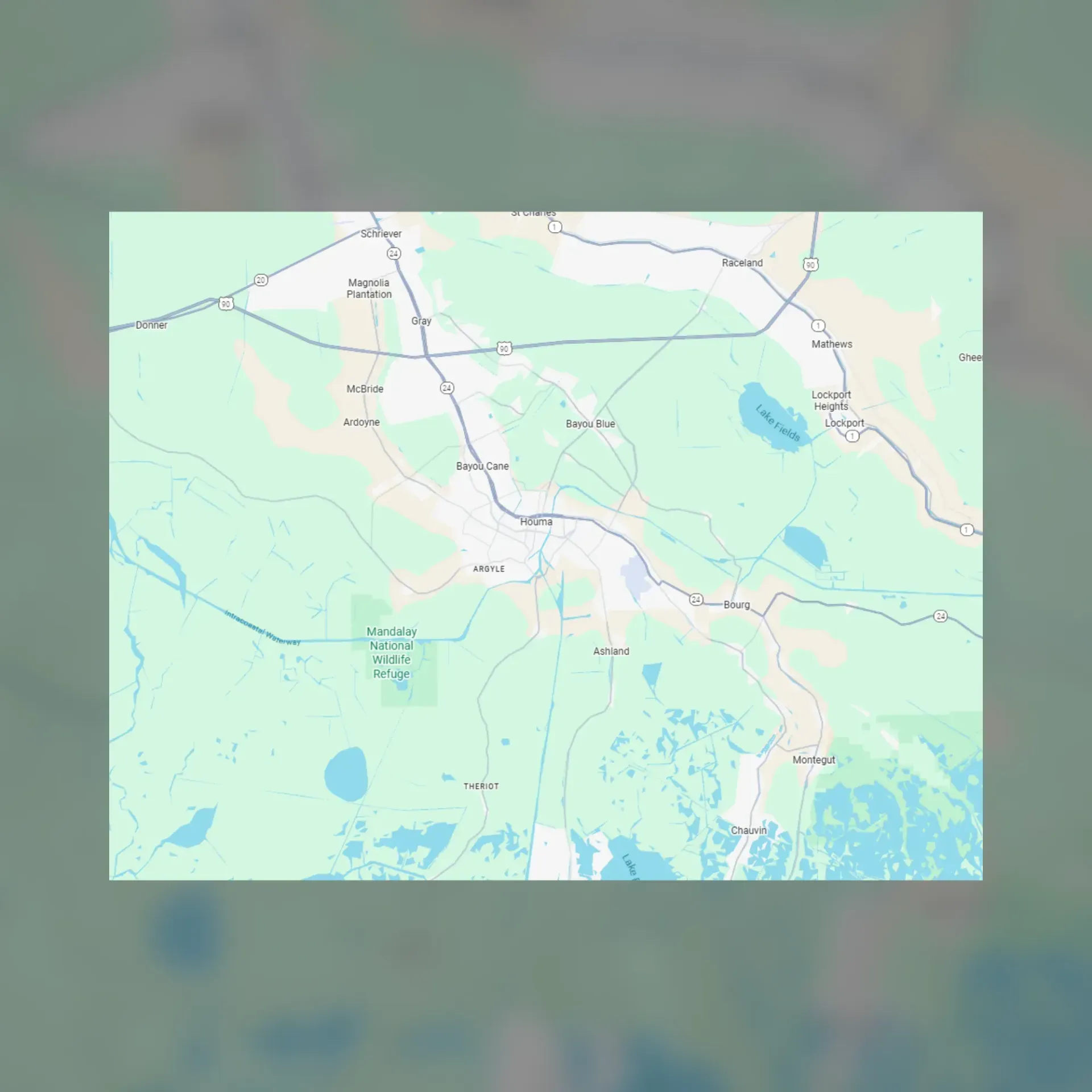
Louisiana Tint Laws (2026): What’s Legal for Car Window Tinting?